
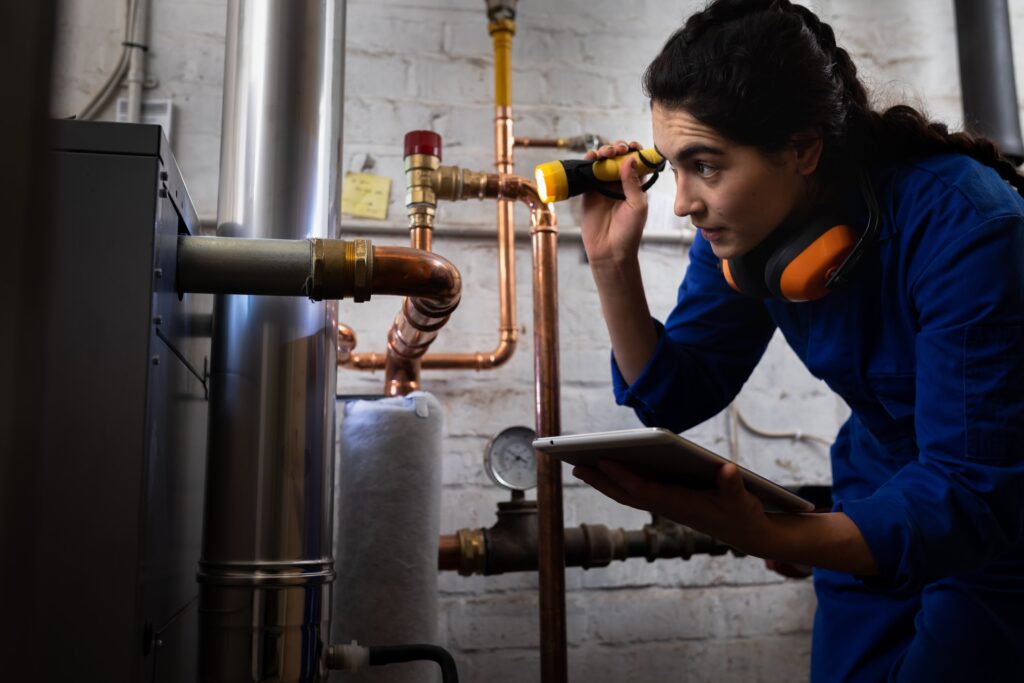
If you live in the Pittsburgh Metro area, whether it’s Shadyside, Squirrel Hill, Mt. Lebanon, or even Cranberry Township, you might be thinking about upgrading your heating setup. Many homes across the region are older, and it’s common for households to explore new options when their current system starts showing its age. This guide from Wade Heating & Cooling walks you through how boilers operate and what types of choices you have if you’re considering new equipment.
What Is a Boiler?
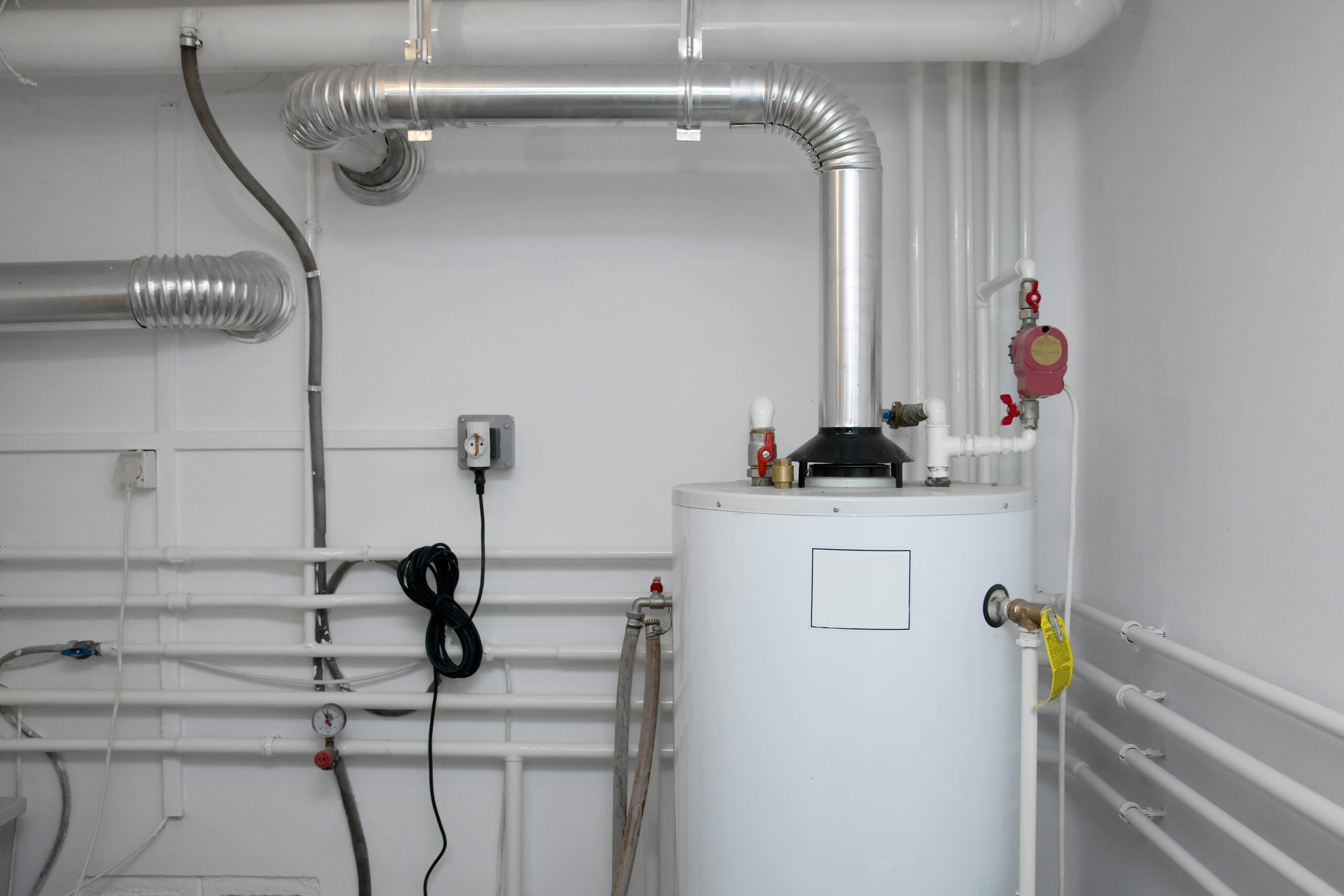
A boiler is a heating option that warms water and sends that heat throughout your home. Instead of blowing air like a furnace, it uses radiators, baseboards, or radiant flooring to spread comfortable, even warmth. Because the heat comes from warmed water, many clients appreciate how steady and gentle the temperature feels.
How Do Boiler Systems Work?
Boilers follow a simple cycle. Water is heated inside the unit, then moved through your house to deliver warmth. Once the heat is released, the water returns to the boiler to be reheated and sent back out again. This loop keeps your living spaces comfortable during cold stretches.
Common Types of Boilers in Pittsburgh Homes
Houses across the Pittsburgh Metro often date back more than 60 years, which makes boilers a familiar sight. Their reliability and steady heat output make them a popular choice in older properties as well as updated ones. Below are several types of boilers you’ll find in local houses that you may consider when looking for a boiler replacement.
Gas Boilers
Gas boilers are widely used in neighborhoods with natural gas access. They’re known for dependable performance and are often chosen for their straightforward operation and consistent heating. They offer:
- Compact sizing: Many models take up minimal room, making them a practical fit for basements or utility areas where space matters.
- Quiet operation: Gas units typically run with low noise, helping maintain a peaceful indoor environment.
- Strong compatibility: They work well with existing radiators, baseboards, and radiant setups, which simplifies upgrades in older homes.
- Straightforward maintenance: Technicians can service gas boilers easily thanks to familiar components and widely available replacement parts.
Oil Boilers
Oil boilers serve houses that rely on heating oil instead of natural gas. They’re a practical option for properties outside natural gas service zones or for homeowners who prefer this fuel source. These units are best for:
- Rural property needs: Houses in remote areas often lack natural gas lines, making heating oil a dependable alternative.
- Fuel storage control: Some homeowners like having direct control over their fuel supply through on‑site tanks.
- Strong heat output: Oil units can deliver powerful warmth, which is helpful in larger or draftier houses.
- Flexible delivery scheduling: Heating oil allows you to choose delivery timing, which can help with budgeting and seasonal planning.
High-Efficiency Boiler Systems
Modern high-efficiency boiler options offer impressive performance while helping reduce energy use. Many homeowners choose these advanced units for their ability to deliver strong heating with less waste. Carrier® boilers are a popular choice for those looking for upgraded technology and long-term value. High-efficiency options are known for:
- Lower fuel consumption: These use advanced burners and optimized heat transfer to cut down on the amount of fuel needed to keep your house warm.
- Improved indoor comfort: High-efficiency units maintain steadier temperatures, helping reduce cold spots and temperature swings.
- Reduced emissions: Their cleaner operation helps minimize environmental impact, which appeals to homeowners looking for greener heating options.
- Long-term savings: Although the initial investment may be higher, the reduced energy use and lower operating costs can lead to meaningful savings over time.
Key Parts of a Boiler System
Understanding the parts of a boiler helps you get familiar with how everything works together. A typical setup includes:
- Burner or heating element
- Heat exchanger
- Circulator pump
- Expansion tank
- Pipes
- Safety controls
Each component plays a role in moving heat through your house and keeping the unit running smoothly.
When to Consider Boiler Replacement or Installation
If your current unit struggles to keep up, you might be wondering whether it’s time for boiler installation or replacement. Several signs can point toward an upgrade:
- Uneven heating throughout your home
- Frequent repairs or recurring issues
- Rising energy bills
- Leaks or moisture around the unit
- Strange noises during operation
- An aging boiler that no longer performs well
A new system can improve comfort and help reduce long-term maintenance needs, especially if your current unit is reaching the end of its lifespan.
Contact Wade Heating & Cooling About Boiler Services
If you’re in the Pittsburgh Metro area, including spots near Point State Park or other well‑known landmarks, Wade Heating & Cooling is ready to help with your heating needs. Our licensed and insured team services all brands, provides free estimates on replacement quotes, and offers financing options to make upgrades easier. You’ll work with background‑checked, certified technicians who deliver same‑day service when possible, and 24‑hour support is available for urgent situations.
Stay warm with dependable comfort from a team you can trust. Schedule with us today.